Source Industrial Burners for Steam, Hot Water, and Power Stations
Explore 30 verified industrial burners suitable for steam boilers, hot water systems, and power stations. Buyers can compare specifications, fuel types, and certifications to find the right equipment for their needs; compare the available evidence and request quotations based on your requirements.
Key considerations
Products List




Comprehensive Sourcing Guide
Industrial Burners Sourcing Guide
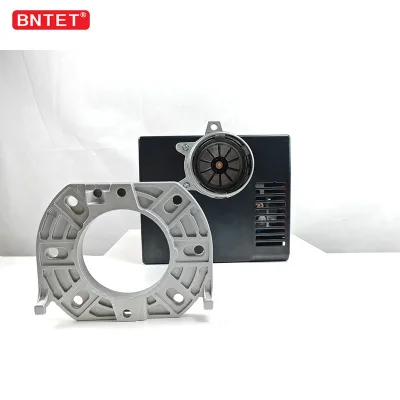
Procurement professionals must first distinguish between the diverse product categories listed under the industrial burner keyword, as the data reveals a mix of complete combustion units and specific boiler components. The observed listings include full combustion burners designed for single or two-stage fire operations, alongside specialized parts like boiler doors and cast components with specific surface treatments. Buyers should verify whether the supplier offers the complete system or merely a replacement part, as the scope of application ranges from steam and hot water boilers to heat conduction oil systems.
The market signals indicate a wide variance in product origins, with listings citing Italy, Thailand, and various regions in China, which directly impacts logistics and compliance expectations. While some entries specify natural gas or propane as the fuel source, others list oil or a combination of fuels, requiring precise alignment with your facility's existing infrastructure. Understanding these distinctions is critical before initiating contact, as the customization options available range from non-customized standard models to fully tailored solutions with specific packing requirements like export cartons or wooden frames.
Product Scope and Observed Listing Signals
Buyers should analyze the observed price range of 1.4 to 20,000 USD to understand the spectrum of value, which likely correlates with the complexity of the burner, the material quality, and the origin of manufacture. The minimum order quantities observed between 1 and 1000 units suggest that suppliers cater to both small-scale replacement needs and large industrial projects, necessitating a clear definition of your volume requirements to secure appropriate commercial terms. This wide range implies that a single listing may not represent the entire market, and buyers must filter for specific models like the TBL or SY-GB series to find relevant inventory.
The product attributes reveal that some units are designed for industrial and power station applications, while others are marketed as restaurant equipment, highlighting the need to match the product's intended environment with your operational demands. Listings specify working temperatures between 700 and 1250 Celsius degrees and lifespans of five years or more, which are key indicators of durability for high-heat industrial processes. However, the presence of varying standards, such as 999 or specific dimensional codes, requires buyers to cross-reference these numbers against their own technical drawings to ensure physical compatibility.
Technical Specifications to Verify
When evaluating technical data, the voltage and power source specifications must be confirmed against your local grid capabilities, as listings show 230V AC/50Hz configurations alongside gas-powered units. The mode of operation is a critical differentiator, with options including single-stage fire, two-stage fire, and two-stage programming, each offering distinct control profiles for efficiency and load management. Buyers must verify if the unit includes a timing device or relies on external controls, as some observed listings explicitly state the absence of such features, which could impact automation integration.
Dimensional and material specifications require rigorous validation, particularly for components like the boiler door or the combustion burner itself, where materials such as stainless steel are noted. The standard dimensions observed, such as 7505801100 MM or 19909701300 MM, indicate that off-the-shelf units may not fit existing boiler housings without modification. Additionally, the surface treatment processes, ranging from natural finishes to grinded and bored interiors, affect heat transfer efficiency and corrosion resistance, making these details essential for long-term performance in harsh industrial environments.
Compliance and Safety Documentation
Safety compliance is paramount, and buyers must request documentation confirming adherence to CE and ISO9001 standards, which appear frequently in the observed product data. The presence of "CE European" and "ISO, CE" certifications suggests that many suppliers target international markets, but verification of the specific certificate version and issuing body is necessary to ensure validity in your jurisdiction. Relying solely on the product title is insufficient; procurement teams should demand the actual test reports or conformity declarations that prove the burner meets the required safety thresholds for gas and oil combustion.
Beyond general certifications, the scope of application listed for steam boilers, hot water boilers, and heat conduction oil systems must be explicitly matched to your facility's specific boiler type. Some listings mention compliance with EU standards, but the absence of specific EN numbers in the high-confidence facts means buyers should not assume automatic compliance with local regulations without further inquiry. It is essential to confirm that the supplier provides a quality guarantee, such as the observed one-year warranty, and to understand the exact terms of coverage regarding defects in materials or workmanship.
Cost Drivers and Commercial Terms
The final cost of an industrial burner is heavily influenced by the origin of manufacture, with listings from Italy, Thailand, and China presenting different cost structures regarding labor, materials, and shipping. Buyers should anticipate that products with specialized surface treatments like centrifugal casting or custom packing solutions such as iron frame panels and wood boxes will command higher prices due to the added processing and logistics complexity. The observed minimum order quantities also play a role, as larger orders may unlock better unit pricing, while small orders might incur higher per-unit costs or specific handling fees.
Commercial terms regarding packaging and delivery must be clarified early, as the data shows a variety of methods including export packing, polyfoam and metal frames, and standard wooden packages. These packaging choices directly affect the risk of transit damage and the associated insurance costs, particularly for heavy or precision-engineered components like the combustion burner. Additionally, the customization status, whether the product is listed as customized or non-customized, will significantly impact the lead time and the final invoice amount, requiring a detailed discussion on the timeline for production and shipment.
Supplier Qualification and Quality Control
Supplier qualification should begin with a review of their production capabilities, specifically looking for evidence of processes like centrifugal casting and surface grinding that are mentioned in the product attributes. The presence of a quality guarantee, such as the one-year term observed in the listings, indicates a baseline level of confidence in the product, but buyers should also inquire about their internal quality control protocols and defect rates. Verifying the supplier's ability to handle custom requests is crucial, as the data shows a mix of customized and non-customized options, suggesting varying levels of flexibility in their manufacturing lines.
Quality control extends to the verification of the product's lifespan and working conditions, as the observed data notes a lifespan of five years or more depending on the environment. Buyers should request case studies or references from similar industrial applications to validate these claims, ensuring the burner can withstand the specific thermal and chemical stresses of your operation. Furthermore, checking the supplier's track record with export standards and their ability to provide consistent documentation for certifications like ISO9001 is essential for maintaining a reliable supply chain.
Long-Term Procurement Checks
Long-term procurement success depends on establishing a clear maintenance and support framework, as the observed lifespan of five years or more is contingent on specific working conditions that may vary over time. Buyers should negotiate service agreements that cover the replacement of wear parts, such as the burner nozzles or ignition systems, and ensure that the supplier can provide technical support for troubleshooting operational issues. The availability of spare parts, particularly for models like the SY-GB series or DGB-400, should be confirmed to prevent extended downtime during the product's lifecycle.
Finally, buyers must plan for periodic re-evaluation of the supplier's performance against the original specifications, including fuel efficiency, emission compliance, and mechanical reliability. The initial selection based on certifications like CE and ISO should be followed by ongoing monitoring of the product's actual performance in your facility to ensure it continues to meet the required standards. Establishing a feedback loop with the supplier allows for adjustments in operation or maintenance schedules, ensuring the industrial burner remains a cost-effective and safe asset for your operations over the long term.
FAQs
What certifications do industrial burners typically have?
Industrial burners commonly hold CE and ISO9001 certifications to ensure compliance with European safety and quality management standards. These credentials verify that the equipment meets rigorous manufacturing requirements. Buyers should verify specific certificate details, such as ISO or CE European marks, on product pages to confirm regulatory adherence for their intended industrial applications.
Which fuels can industrial burners operate on?
Industrial burners can operate on various fuels including natural gas, liquefied petroleum gas, light oil, and propane. Some models support single-stage or two-stage firing modes for precise control. The specific fuel type depends on the burner design, with options ranging from natural gas to heavy oil variants suitable for different industrial heating processes and boiler systems.
Can industrial burners be customized for specific needs?
Yes, industrial burners can be customized to meet specific operational requirements. Manufacturers offer customization options for models like the TBL or SY-GB1100A to fit unique industrial environments. Buyers can request tailored specifications, packaging, or structural adjustments. Customization ensures the burner integrates seamlessly with existing steam or hot water boiler systems for optimal performance and efficiency.
What is the typical lifespan of an industrial burner?
The typical lifespan of an industrial burner is five years or more, depending on working conditions. Factors such as fuel quality, maintenance frequency, and operating temperature influence durability. High-quality units made from stainless steel or cast materials often last longer. Regular inspection and proper handling are essential to maximize the operational life of the equipment in industrial settings.
How are industrial burners packaged for export?
Industrial burners are typically packaged in export-grade materials to ensure safe transit. Common packaging includes wooden cases, plywood boxes, or polyfoam with metal frames. Some suppliers use standard wooden packages or export cartons. The packaging is designed to protect the burner from damage during shipping, ensuring the equipment arrives in pristine condition ready for installation in industrial facilities.
What is the working temperature range for industrial burners?
Industrial burners generally operate within a working temperature range of 700 to 1250 degrees Celsius. This range allows for efficient combustion in various industrial applications, including power stations and heavy manufacturing. The specific temperature capability depends on the burner model and construction materials. Buyers should select a unit that matches their process temperature requirements for safe and effective operation.